

Olivko
RELATED POSTS
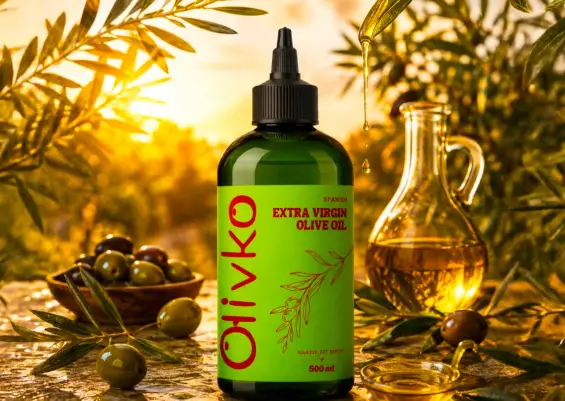
Olivko Extra Virgin Olive Oil

Olivko Cold Extraction is produced with particular attention to preserving the natural qualities of the olives. The cold extraction pro...
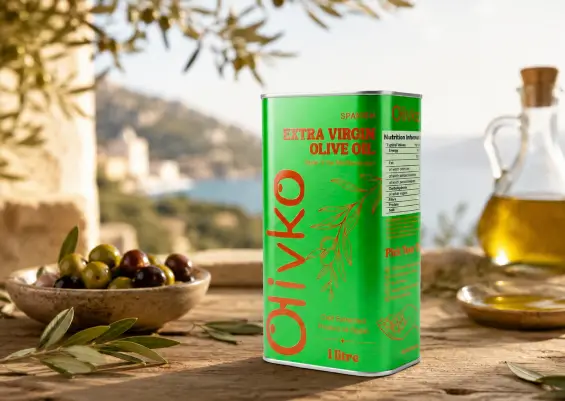
Olivko Organic Extra Virgin
Crafted through traditional cold extraction, Olivko retains all the pure flavor, richness, and health benefits of hand-selected organic...

Festival to Showcase Herzegovina’s Growing Olive Oil Sector
The inaugural HerzOliveFest in Mostar will showcase the rapid growth of Herzegovina’s olive sector, with producers and experts discussi...
Health
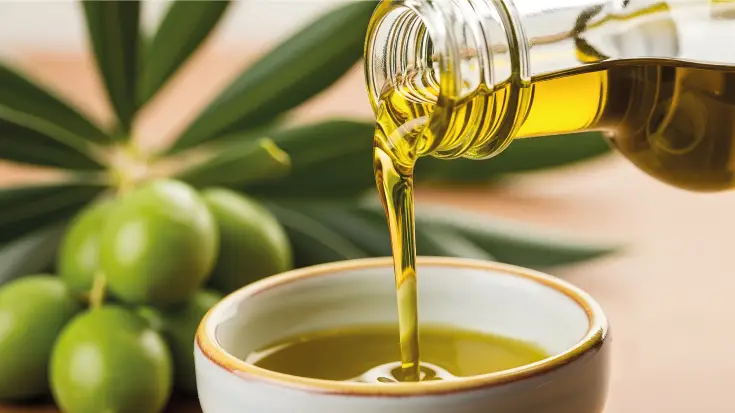
Research into olive oil and human health continues to expand, with scientists examining its effects on cardiovascular disease, inflamma...
Olive Council Advances Plan to Bring Olive Grove Carbon Credits to European Market
The International Olive Council plans to align its olive grove carbon credit scheme with European Union rules and integrate it with the...
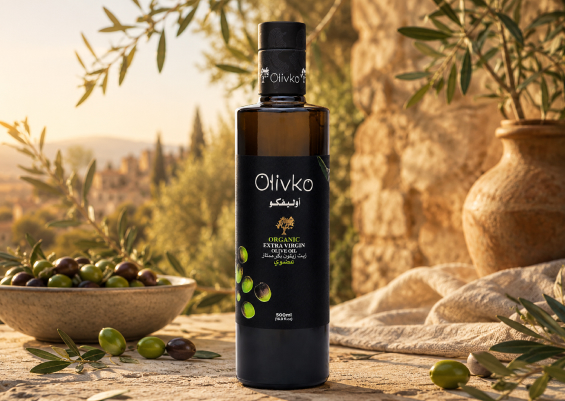
Olivko Organic Extra Virgin
Crafted through traditional cold extraction, Olivko retains all the pure flavor, richness, and health benefits of hand-selected organic...
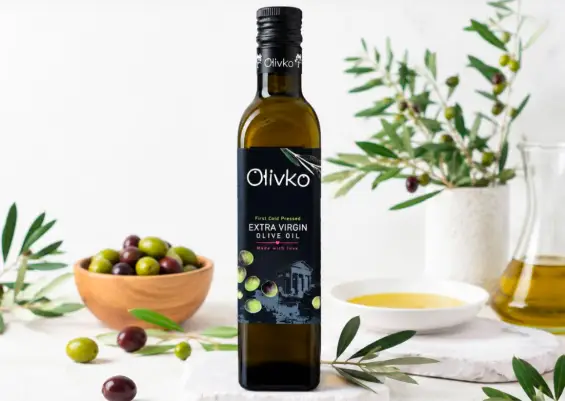
Olivko First Cold Pressed Extra Virgin Olive Oil
Discover the authentic taste of extra virgin olive oil, first cold pressed to preserve the natural qualities and character of carefully...
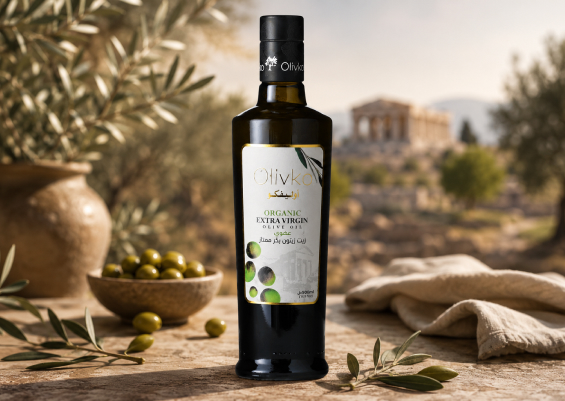
Olivko Organic Extra Virgin
Olivko Organic Extra Virgin brings together purity, freshness and a naturally balanced character. Carefully produced from selected oliv...
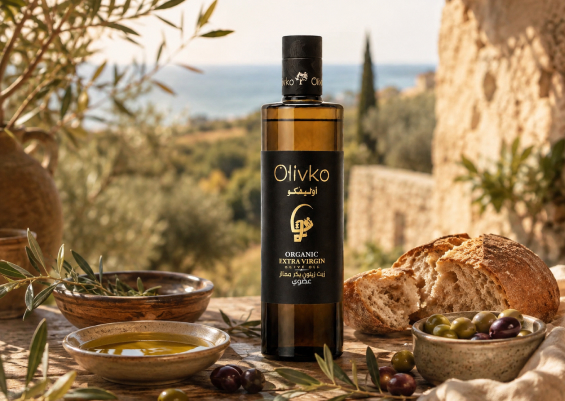
Olivko Organic Extra Virgin Olive Oil
Olivko Organic Extra Virgin Olive Oil combines a fresh aromatic profile with the authentic character of quality olives. Its harmonious ...
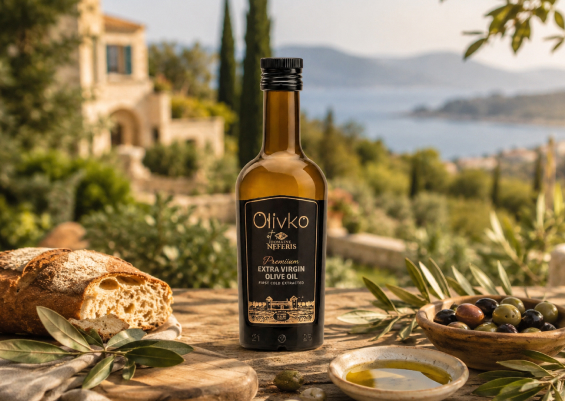
Olivko Neferis
Olivko Neferis carries the heritage of a historic estate surrounded by ancient olive trees that have stood for generations. These remar...
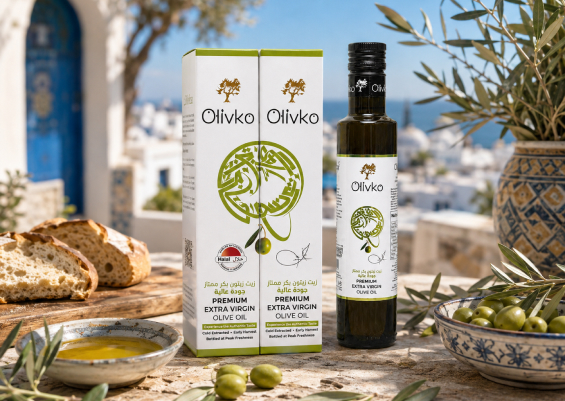
Olivko Premium Extra Virgin Olive Oil
Presented in a distinctive two-box packaging design, Olivko Premium Extra Virgin Olive Oil combines a refined presentation with an auth...
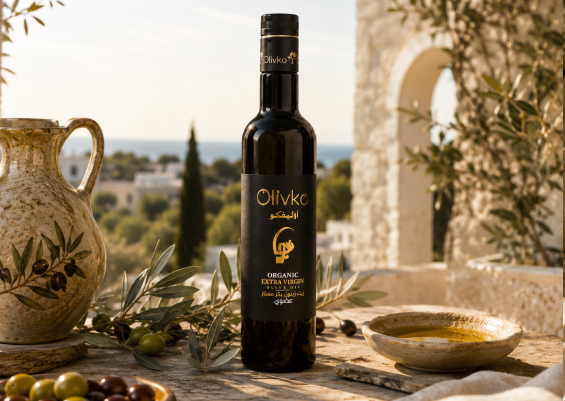
Olivko Organic Extra Virgin Olive Oil
Made for those who appreciate the purity of authentic olive oil, Olivko Organic Extra Virgin Olive Oil offers a naturally fresh and exp...